



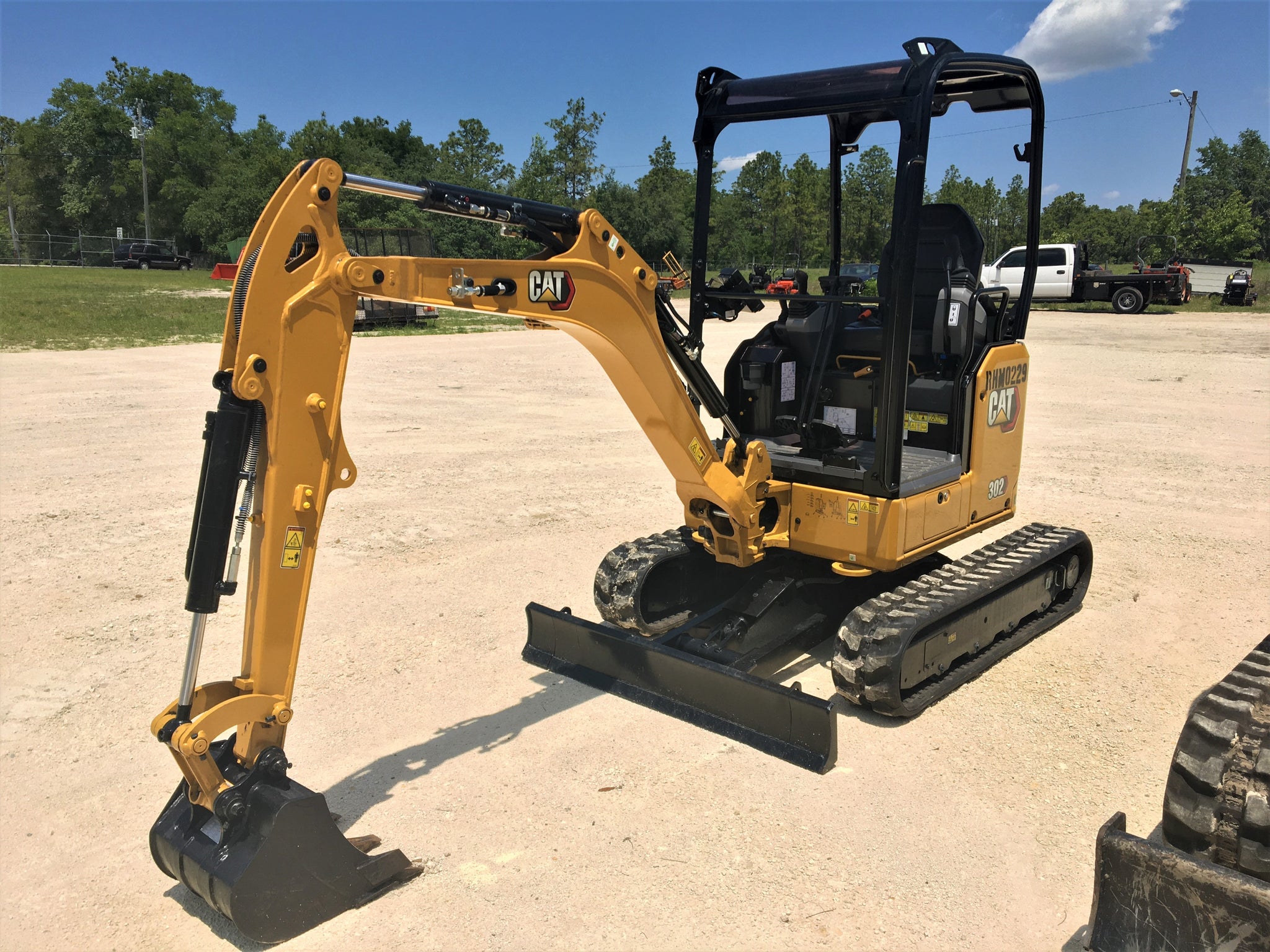

When it comes to any type of construction project, be it a small home improvement project or a mega project revolving around a commercial complex, the chances are that an excavator would be required somewhere along the line. Modern excavators are capable of performing a range of tasks much faster and more efficiently than human labour or workers using handheld tools.
Excavators nowadays come in a wide variety of sizes and are capable of accommodating a range of hydraulic tools that are easily mounted and removed via hydraulic coupling links. These hydraulic tools transform standard excavators into a Swiss Army Knife for the entire construction industry. From hydraulic hammers, augers and grapplers to compactors, cutters, and smashers, almost every powered tool required to do construction could be easily mounted to the latest excavator models.
For instance, apart from the standard bucket that most excavators generally come with, they could also hire additional attachments such as concrete cutters or for contractors working on small home improvement projects that require demolition tasks. Similarly for landscaping jobs, contractors would take hydraulic add-ons such as grapplers for clearing land, after which they would remove the grapplers and reassign buckets to move the cleared material and debris.
There are also specific tools for tasks such as trenching, soil compaction, and pole installations all of which could be performed by a single excavator taken for hire. Mini and standard excavators are among the most popular excavator category when it comes to landscaping or urban home improvement projects due to the smaller frames of these machines that make them easier to be manoeuvred in tight spaces.
Using an excavator for home improvement projects in essence is a cost-effective approach as less manual labour is needed and projects can be run more efficiently. In summary, a single mini excavator rental is capable of handling the same amount of work as a dozen men; a standard excavator taken for hire would be capable of a whole lot more.
However, before hiring an excavator, it is extremely important to assess the project environment and the tasks involved. Choosing the right type of excavator that will optimise the project can be quite difficult. First and foremost, the size of the excavator, this is dependent on the level of congestion and space that is available for the excavator to move around, excavators that are too big have the potential to disrupt work flow, and in contrast if the excavator is too small, then too little gets done.
Apart from making the right decision on excavator size, hiring the additional hydraulic attachments must also be done meticulously as taking them too early, would mean paying more for the attachment and waste when it is unused. Similarly acquiring attachments too late in the game would stall projects and when projects get stalled – cost increases significantly.
Therefore, in order to avoid such scenarios, proper careful planning is a key success factor towards keeping projects on schedule and within stipulated budgets.
